Rehost
Move to modern infrastructure (e.g. cloud) without changing code. Lowest risk, fast results.
Legacy systems slow you down, cost more to maintain, and can't support what your business needs next. We modernize them - incrementally or wholesale - with a clear plan and minimal disruption.
Discuss your systemWhy teams modernize with us
If more than one of these applies, your platform is probably due for an upgrade.
Adding new features takes weeks instead of days.
Your tech stack is outdated and hard to hire for.
Frontend and backend are tightly coupled, making changes risky.
You're running a monolith that can't scale.
Your platform (Magento, old Shopify, WooCommerce) is hitting its limits.
You're paying for infrastructure that modern architecture would eliminate.
Not every system needs a full rewrite. We evaluate each component and recommend the right strategy:
Move to modern infrastructure (e.g. cloud) without changing code. Lowest risk, fast results.
Minimal code changes to leverage new platforms - e.g. moving to containers and managed databases.
Restructure the architecture. Monolith to microservices, event-driven patterns, decouple frontend from backend.
New codebase, same business logic. When the old stack can't be saved and the domain is well understood.
Swap a custom system for an off-the-shelf solution (SaaS, open-source) when it makes financial sense.
Decommission systems nobody needs. The most underrated step in modernization.
A look at the projects we take on most often - from ecommerce replatforming to full architecture overhauls.
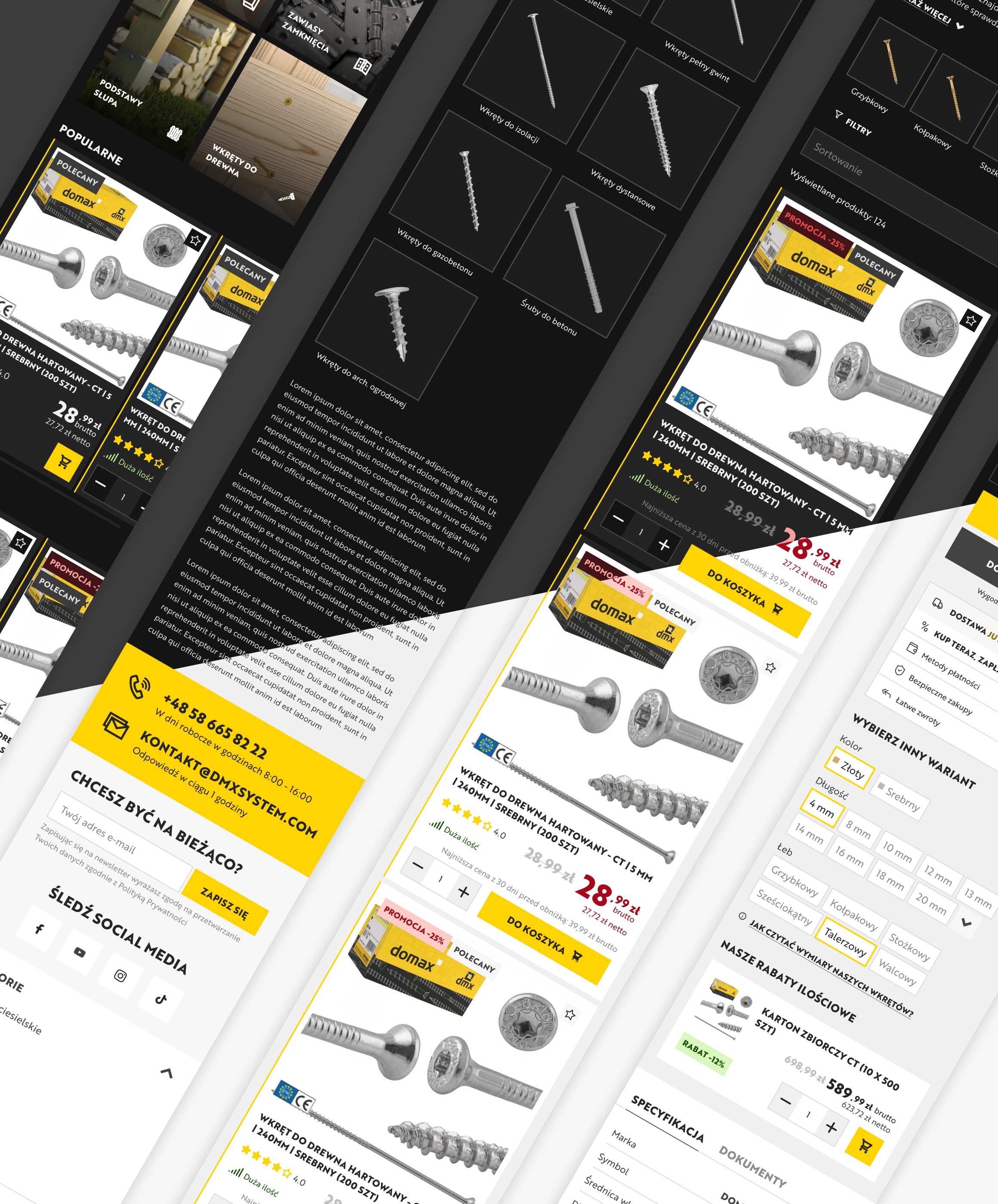
Modernizing ecommerce platforms to support integrations, automation and scalability.
Replacing legacy frontends with modern frameworks such as Next.js to improve performance, SEO and user experience.
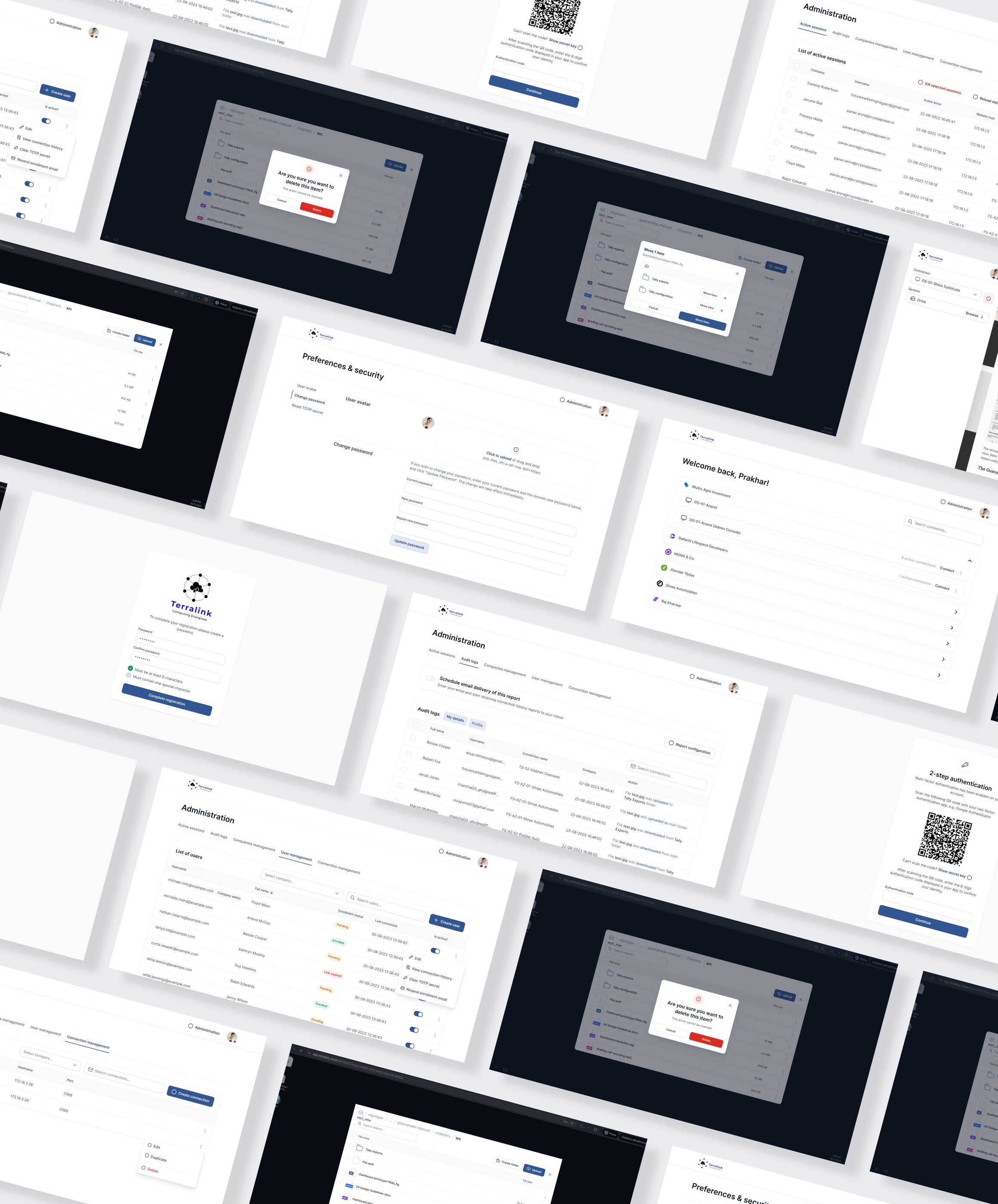
Restructuring backend systems to support scalability and long-term development.
Upgrading hosting environments and deployment processes.
Modernization projects require a careful balance between improving technology and keeping systems operational.
Audit current systems. Identify what works, what doesn't, and what's blocking growth.
Map each component to the right R. Prioritize by business impact.
Modernize in phases. Each phase delivers usable improvements. No 18-month big-bang rewrites.
Data migration, parallel running, gradual traffic shift. Minimize downtime and risk.
Post-migration optimization, monitoring, and continued development.
Deep expertise across the frameworks and runtimes we refactor, replatform, and rebuild on most often.




FAQ
Practical answers about this service: scope, process, timelines, and what to expect when working with us.
Application modernization is upgrading existing software (its code, architecture, UX, or infrastructure) so it's faster, more secure, and easier to maintain, without throwing away the value already in it. It ranges from re-platforming and refactoring to a full rebuild, depending on the system's condition and business goals.
We assess each system against the "Six R's" (Retain, Rehost, Replatform, Refactor, Rearchitect, or Rebuild) based on its business value, technical health, and cost of change. A full rewrite is often unnecessary; frequently the fastest ROI comes from refactoring or re-platforming the parts that hurt most.
Common signals: releases are slow and risky, the stack is unsupported or hard to hire for, performance and security issues are mounting, the UI feels dated, and small changes keep breaking things. If your software is holding the business back instead of enabling it, it's a modernization candidate.
No. We plan modernization to keep your system live. We work incrementally, ship in stages, and use approaches like the strangler pattern so new parts replace old ones gradually rather than in one risky big-bang cutover. Business continuity is a first-class constraint in the plan.
It depends on scope: a targeted re-platform can take weeks, while a phased rearchitecture of a large system runs over several months. We begin with an audit that produces a prioritised, staged roadmap, so you see value early instead of waiting for one long project to finish.
Tell us about your project. We’ll help you plan the architecture, scope, and execution.