
Ecommerce
Custom ecommerce platforms that scale your business
We design, develop, and modernize ecommerce systems for international brands, integrating payments, fulfillment, and automation to optimize every part of the customer journey.
Discuss your ecommerce projectBuilt to grow your revenue
- Headless storefronts built to scale
- Payments, fulfillment & ERP integrated cleanly
- Faster stores that convert more buyers
- B2B, multi-channel and custom checkout ready
Our secret sauce is the process
Over the past 5 years we developed a framework which ensures smooth delivery of even most complicated e-commerce projects
01
Discovery
We begin by investigating your current e-commerce store, defining scope of work and assessing viability of migrating to Shopware. Based on that we prepare an initial project estimation
02
Solution design
Once the estimate is approved we begin to wireframe the new storefront as well as design all necessary Shopware customizations. At this point we also decide which plugins we use and which features we build from scratch. We also specify all integrations between e-commerce engine and other platforms
03
Storefront design
At this point we transform the rough wireframes and concepts into refined and branded storefront mockups. Optionally we can conduct pre-production usability tests to ensure a flawless UX throughtout the entire system
04
Development
We begin this phase with estimate refinement and scope adjustments if necessary. The development itself follows Scrum principles and is organized into 1-2 week sprints, with sprint planning meetings at the beginning and deployments & retrospective at the end of each sprint. Throughout the entire development we implement versatile QA measures to ensure quality of the delivered e-commerce platform
05
Migration & deployment
Right before the launch we conduct load-tests of both the frontend and the e-commerce engine to ensure that architecture will handle the desired traffic and load. At this point we also enable advanced caching and pre-rendering techinques to ensure our e-commerce is blazing fast from the start. Only once all boxes are check we conduct migration of existing customer and order data to the new store
06
Scaling
Once the e-commerce is live we begin the experiment-measure-improve loop in which we iteratively deliver new features and improve further UX for the end users
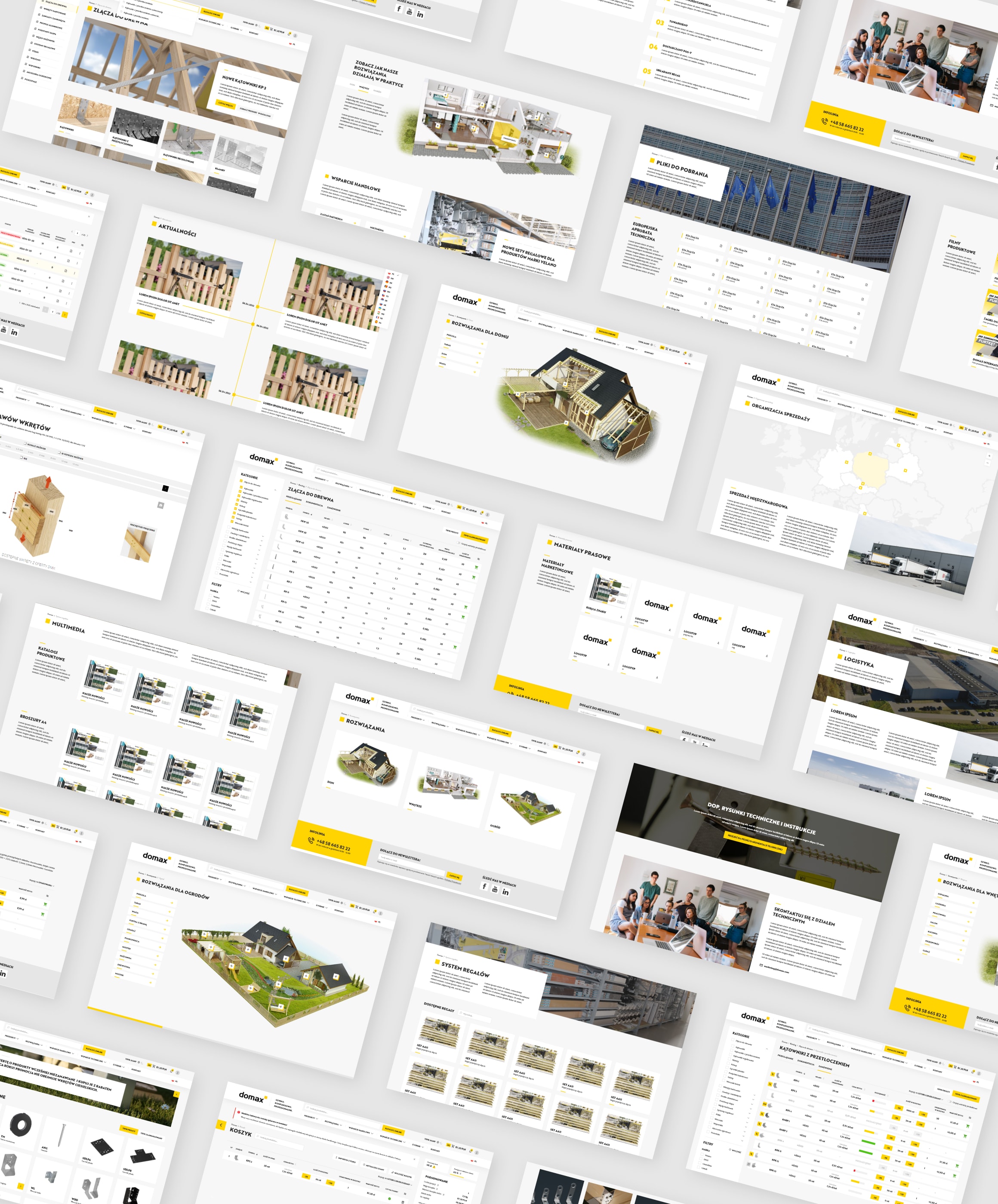
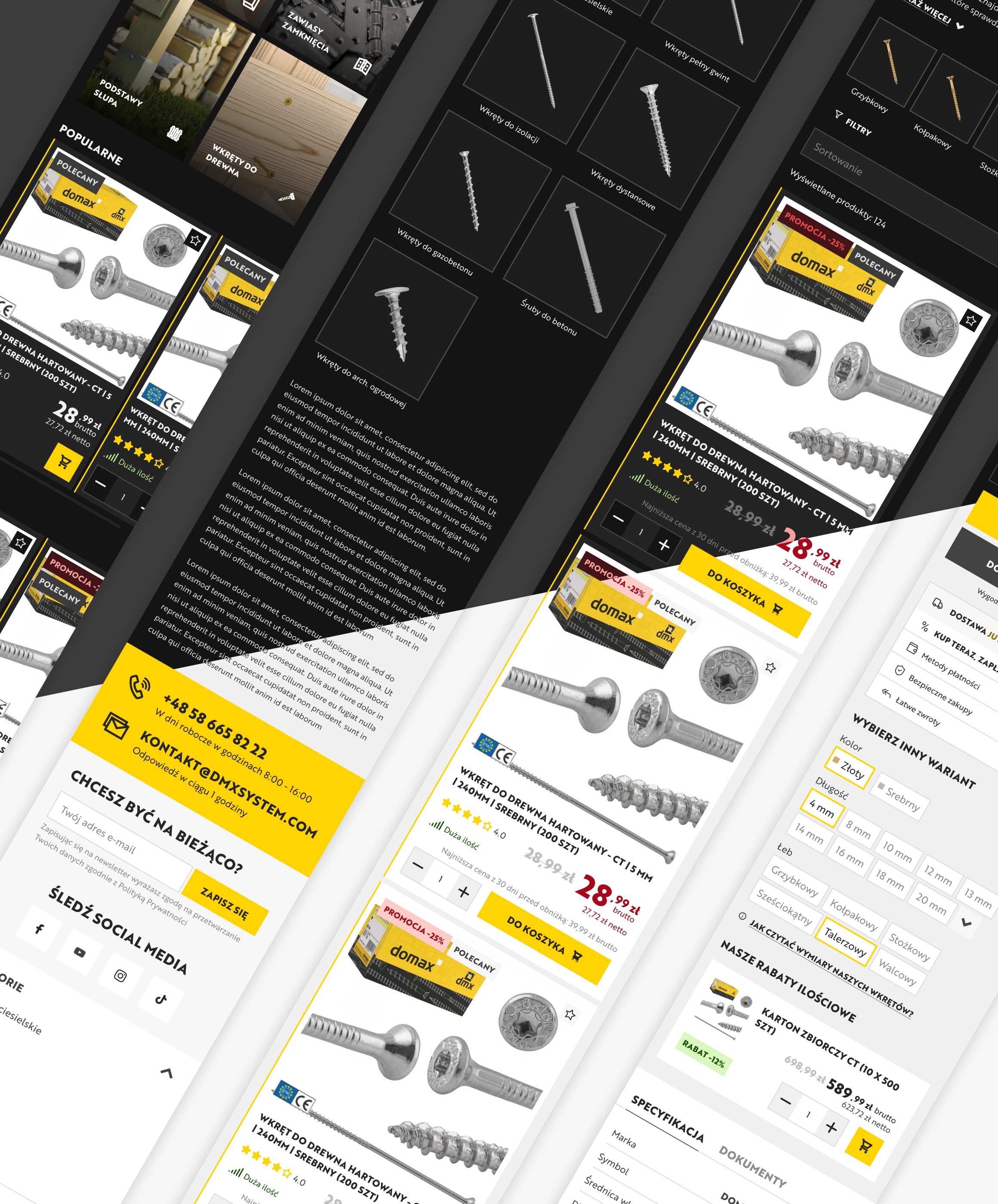
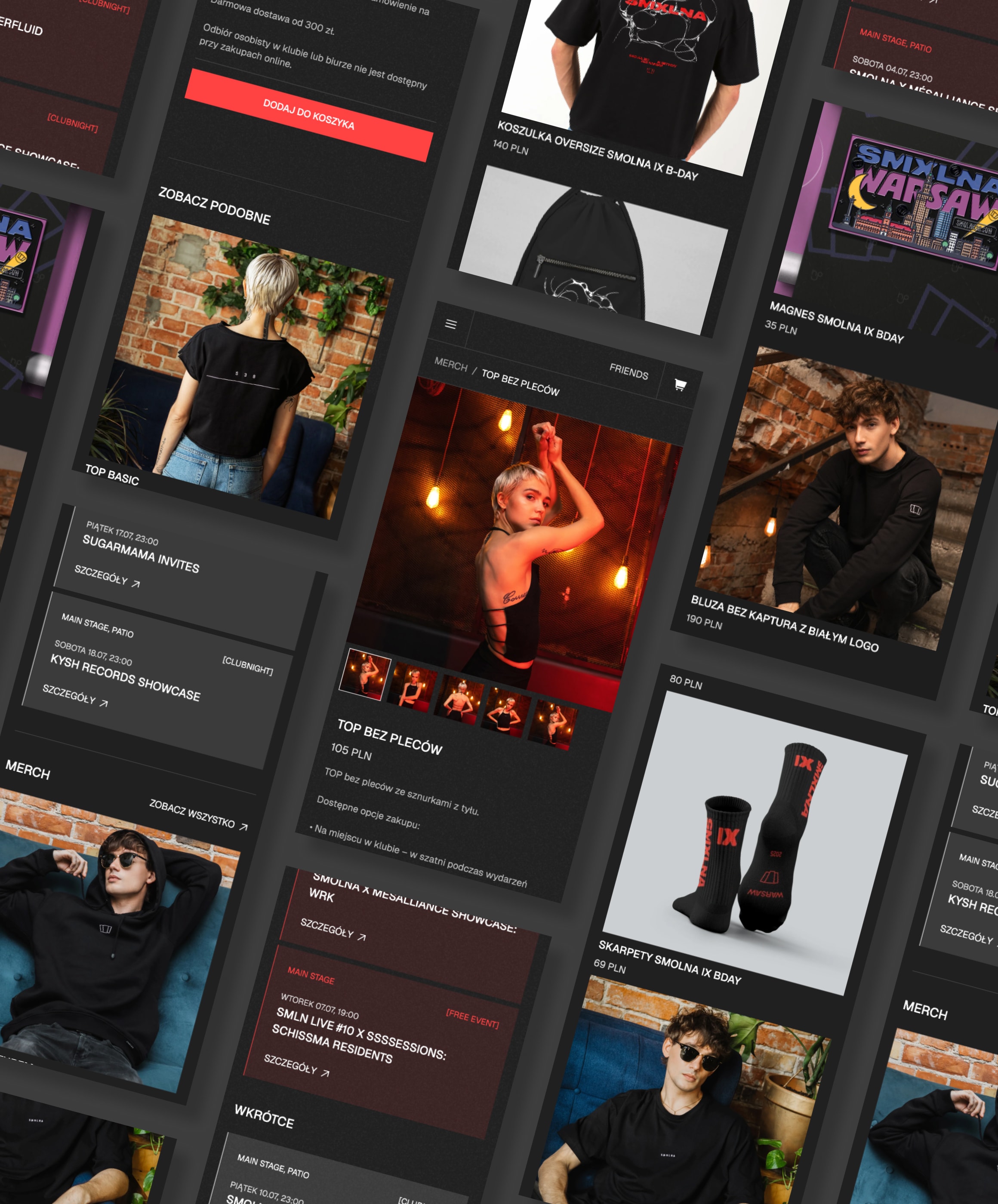
Our competitive edge
Headless storefronts
Next.js frontend decoupled from the backend. Fast, SEO-friendly, fully custom UX.
Shopware implementations
Full Shopware setup, customization and integration - headless or traditional.
B2B commerce platforms
Dealer portals, custom pricing, bulk ordering and account management.
Multi-channel commerce
One backend powering web, mobile, marketplace and wholesale channels.
Product configurators
Complex product options, custom pricing rules and visual configuration.
Custom checkout & payments
Multi-step checkout, subscription billing and marketplace payouts.
We pick the stack that fits the project,
not the other way around.
We've built on every major e-commerce engine - and we know exactly which one fits your business.





We build custom platforms, connect them to the tools you already run, optimize what slows you down, and automate the busywork.
Your store doesn't operate in isolation. We connect it to your existing stack.
- SAP
- Microsoft Dynamics
- Comarch
- Custom
- Akeneo
- Pimcore
- Custom PIM
- Stripe
- Adyen
- PayU
- Mollie
- Przelewy24
- Warehouse systems
- Shipping providers
- Tracking
- Klaviyo
- Mailchimp
- Google Ads
- Meta
- HubSpot
- Salesforce
- Pipedrive
- GA4
- Mixpanel
- Custom dashboards
Custom APIs & middleware for systems not on this list.
FAQ
Frequently asked questions
Practical answers about this service: scope, process, timelines, and what to expect when working with us.
Webalize builds on Shopware, Shopify, Sylius, and MedusaJS, as well as fully headless/composable setups when a store needs a custom storefront or complex logic. We recommend the platform based on your catalogue size, B2B/B2C model, integration needs, and internal team, rather than pushing a single stack.
Choose Shopify for fast time-to-market, strong hosted infrastructure, and standard D2C/B2C retail. Choose Shopware or Sylius when you need deep PHP/Symfony customisation, complex B2B pricing and workflows, or self-hosting with full data control. Choose MedusaJS when you want a modern, API-first headless backend with a custom Next.js storefront and multi-channel selling. Webalize helps you decide in a short discovery, then builds on whichever fits.
Sylius suits teams that want a mature, Symfony-based open-source engine with strong catalog and order modelling, especially for bespoke B2B or multi-market stores in PHP. MedusaJS suits projects that prioritise a JavaScript/Node stack, composable architecture, and a headless frontend from day one. Both pair well with custom integrations and a dedicated frontend; we advise based on your team's skills and roadmap, not platform hype.
A focused store typically launches in roughly 8-16 weeks; larger B2B platforms with ERP/PIM integrations and migrations take longer. Timeline depends on catalogue complexity, number of integrations, and content readiness. We scope a concrete plan in a discovery workshop before development starts.
Yes. Webalize handles migrations to Shopware, Shopify, Sylius, or MedusaJS, including products, categories, customers, orders, and SEO-critical URL redirects to protect existing rankings. We plan migrations to avoid downtime and validate data integrity before go-live.
We integrate stores with ERP, PIM, CRM, payment providers, shipping/fulfilment, tax, and marketing tools via APIs and middleware. Common integrations include ERP-driven stock and pricing sync, PIM-managed product data, and automated order flows. If a system exposes an API, we can connect it.
Yes. Webalize builds headless commerce where a custom frontend (e.g. Next.js) consumes a commerce backend's API, on MedusaJS, Shopware, Sylius, or Shopify headless. You get full control of UX and performance while keeping proven backend capabilities. Headless suits brands with strong design requirements or multi-channel selling; we advise when it's worth the added complexity.
Ready to build or modernize your ecommerce platform?
Tell us about your business and we'll help you design a system that scales, integrates seamlessly, and delights customers.